
If you share your home with a Siberian Husky, you quickly realize you didn’t just adopt a dog—you adopted a furry, highly opinionated roommate.
Huskies are world-famous for their vocal talents. While other dog breeds might stick to standard barking, Huskies howl, yip, groan, mutter under their breath, and engage in full-blown, dramatic conversations with their humans. But what are they actually trying to say?
Understanding the unique “language” of your Husky helps you decode their needs and appreciate their hilarious personality.
The Ultimate Husky “Vocabulary”
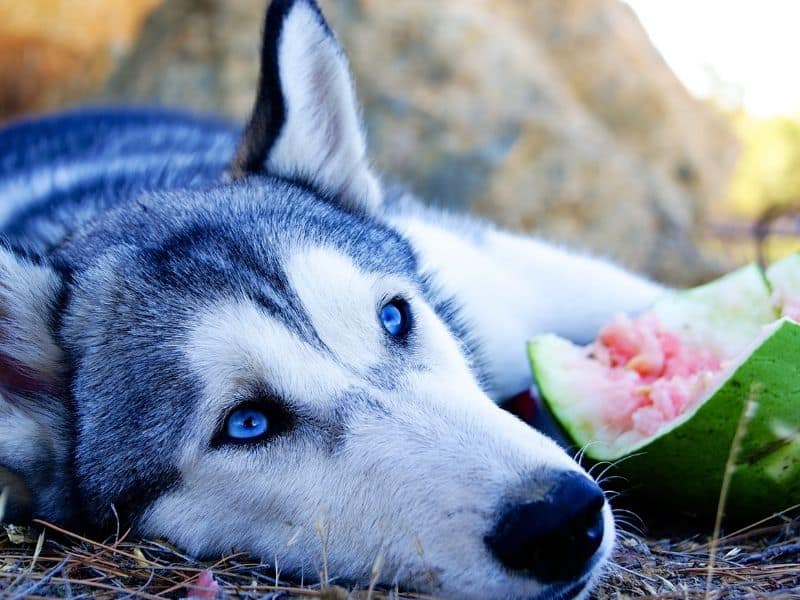
To a first-time owner, a Husky’s noisy outbursts can sound alarming or confusing. Here is what their most common sounds actually mean:
1. The Classic Howl (“Awooo”)
- What it sounds like: A drawn-out, melodic wolf-like howl.
- What it means: This is a primal instinct inherited from their wolf ancestors. Huskies howl to locate pack members, express excitement, or sometimes simply because a high-pitched sound (like a siren, a musical instrument, or a ringing phone) triggered their inner wolf.
2. The Dramatic Groan and Sigh
- What it sounds like: A heavy, human-like exhale followed by a low rumble or whining groan.
- What it means: Pure, unadulterated canine attitude. If you told your Husky they can’t go for a third walk today, or if you moved your leg and disturbed their favorite spot on the couch, expect the dramatic sigh. It’s their way of saying, “I am suffering, and my life is so difficult.”
3. The “Talking” Mumble & Yip
- What it sounds like: Short, staccato yips mixed with vocal throat rumbles that sound eerily like broken human speech.
- What it means: They want something right now. Whether it’s breakfast time, dinner time, or a game of fetch, Huskies use these vocalizations to argue their case and negotiate with you.
4. The Play Growl
- What it sounds like: A low rumble that sounds aggressive, but is accompanied by a relaxed body posture, a wagging tail, and play-bows.
- What it means: Let’s play! Huskies love vocalizing during tug-of-war or chase games. Don’t mistake this for actual aggression; they are just getting hyped up.
| Vocalization Type | What It Sounds Like | Underlying Meaning |
|---|---|---|
| The Howl | Long, melodic “Awooo” | Pack bonding, excitement, or triggered by sirens/music |
| The Groan/Sigh | Heavy exhale with a low rumble | Stubborn attitude, disappointment, or “drama” |
| The Mumble/Yip | Choppy throat sounds and talking arguments | Demanding attention, food, or playtime |
| Play Growl | Rumble with happy body language | Excitement during play or tug-of-war |
Why Are Huskies More Vocal Than Other Breeds?
Unlike guard dogs that bark to sound an alarm or alert you to intruders, Siberian Huskies were bred to be endurance working dogs. In the Arctic wilderness, teamwork and communication within the sled team were essential for survival.
Because they worked closely in packs across vast snowy landscapes, vocalizing became their natural method of staying connected, expressing emotions, and talking back to their handlers. In short: talking is in their DNA.
How to Handle a “Chatty” Husky
While a talking Husky is endlessly entertaining on TikTok, it can sometimes get overwhelming in real life (especially at 6:00 AM on a Sunday). Here is how to manage it:
- Don’t Reward Unwanted Demanding: If your Husky is howling or yelling for treats or attention, do not give in while they are mid-tantrum. Wait until they are quiet, and then reward them. Otherwise, you are training them that yelling works!
- Provide Enough Mental Stimulation: A bored Husky is a loud Husky. Puzzle toys, scent games, and long walks burn mental energy and keep them quiet.
- Embrace It: Let’s be honest—part of the reason we fall in love with Huskies is their hilarious, dramatic personalities. Lean into the fun and enjoy having the most expressive dog on the block!