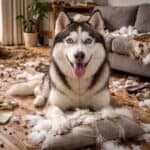
If you share your home with a Siberian Husky, you already know the golden rule of Husky ownership: Huskies don’t shed twice a year—they shed for six months, twice a year.
While everyday shedding is completely normal, nothing prepares a first-time owner for the legendary “blow coat” phase. Clumps of fluffy undercoat tumble across your hardwood floors like desert tumbleweeds, and you somehow pull an entire extra dog out of your vacuum canister every single week.
The good news? You don’t have to surrender your home to a sea of white and gray fur. Understanding how and why this happens makes surviving the blow coat season entirely manageable.
What Exactly Is a Husky “Blow Coat”?
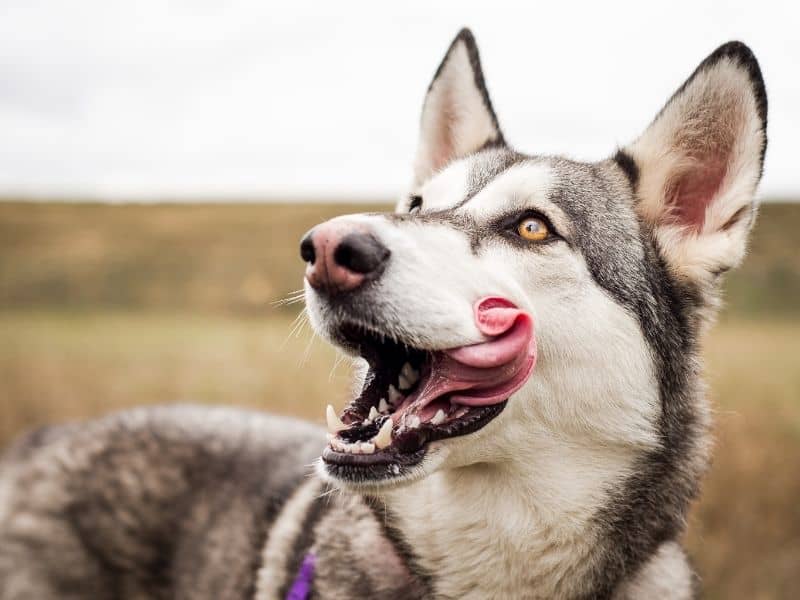
Siberian Huskies possess a magnificent double coat designed to protect them from extreme Arctic weather:
- The Guard Coat: A top layer of coarse, longer hairs that repel water and dirt.
- The Undercoat: A dense, soft, insulating layer that traps body heat in the winter and blocks heat in the summer.
Twice a year (typically in the spring as the weather warms up, and again in the fall as winter approaches), your Husky sheds their entire winter undercoat to make room for a new seasonal coat.
During a blow coat, this undercoat doesn’t just fall out gradually—it releases in massive, matted chunks. If you grab a handful of fur on your Husky’s flank during this period, you might easily peel away a fist-sized mat of dead undercoat right down to the skin.
Step-by-Step Survival Guide: How to Manage the Shedding
Surviving blow coat season requires the right tools, a solid routine, and a lot of patience. Here is your battle plan:
1. Invest in the Right Grooming Tools
Standard slicker brushes won’t cut it when dealing with a dense Husky undercoat. You need specialized gear:
- Undercoat Rake (Metal Pins): This is your primary weapon. The rounded metal pins penetrate past the guard hairs to gently pull out the loose undercoat trapped near the skin without scratching them.
- Slicker Brush: Great for finishing and catching any loose surface hair after using the rake.
- High-Velocity Pet Dryer (The Ultimate Game Changer): If you can afford or access a pet grooming blower, it is worth its weight in gold. Taking your Husky outside and blasting their coat with a high-velocity dryer will blow millions of loose hairs right out of the coat in minutes. (Warning: Wear a dust mask and goggles—you will create a localized fur blizzard!)
2. Establish a Daily Brushing Routine
During peak blow coat, brushing once a week won’t work. Dedicate 15 to 20 minutes every single day to line-brushing your Husky.
- Line Brushing technique: Part the fur with one hand so you can see the skin, and use your tool to brush the hair out from the roots outward. Starting from the bottom and working your way up ensures you catch tangles and dead fur before they turn into hard mats.
3. Smart Bathing to Loosen the Fur
A warm bath combined with a specialized deshedding shampoo and conditioner can speed up the process immensely.
- Massage the shampoo deep into the coat to loosen trapped dead hairs.
- Generously apply a conditioner, let it sit for a few minutes to soften the undercoat, and rinse thoroughly.
- Follow up immediately with a thorough blow-dry and brush while the coat is damp. The combination of water, conditioner, and airflow works wonders to release stubborn clumps.
| Tool Name | Primary Function | Usage Frequency |
|---|---|---|
| Undercoat Rake | Penetrates deep to remove loose dead undercoat | Daily during blow coat |
| Slicker Brush | Smooths topcoat and catches surface stray hairs | Regular maintenance & daily use |
| High-Velocity Blow Dryer | Blasts out trapped dead fur using strong airflow | After baths or peak shedding |
4. Support Coat Health from the Inside Out
A healthy coat starts with proper nutrition. Because growing a new coat requires a massive amount of protein and energy, make sure your Husky’s diet is up to par:
- Omega-3 Fatty Acids: Supplementing with fish oil or wild Alaskan salmon oil promotes skin health and gives the incoming guard coat a brilliant shine.
- High-Quality Protein: Ensure your dog’s primary food source features meat as the first ingredient.
What NOT to Do During Blow Coat
When you’re knee-deep in flying fur, it’s easy to make mistakes out of frustration. Keep these two golden rules in mind:
- Never shave your Husky: It is a dangerous myth that shaving a Husky keeps them cool in the summer. A Husky’s double coat acts as insulation against both cold and heat. Shaving them ruins the natural hair growth cycle, leaves their sensitive skin vulnerable to sunburn and insect bites, and the coat may never grow back properly.
- Don’t use razor blades or cutting blades aggressively: Avoid cheap “fur-cutting” blades that slice through guard hairs instead of removing dead undercoat. You want to preserve the protective guard layer while clearing out the fluff.
Final Thoughts
The blow coat phase can feel overwhelming, but it is a natural and healthy part of owning a Siberian Husky. View it as a great bonding opportunity with your furry partner. Crank up some music, grab your undercoat rake, and remember: this intense phase typically only lasts 2 to 4 weeks.
Once it’s over, you’ll be rewarded with a sleek, soft, gorgeous coat—at least until the next season rolls around!